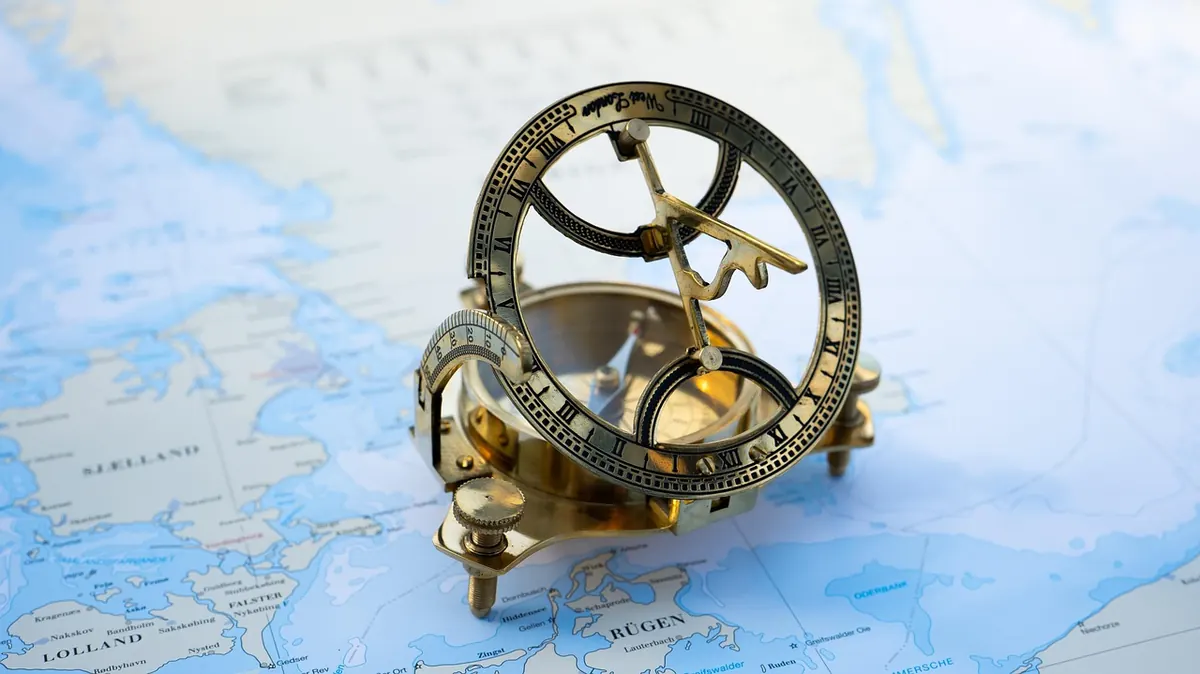
7 Common Sundial Placement Mistakes and How to Fix Them
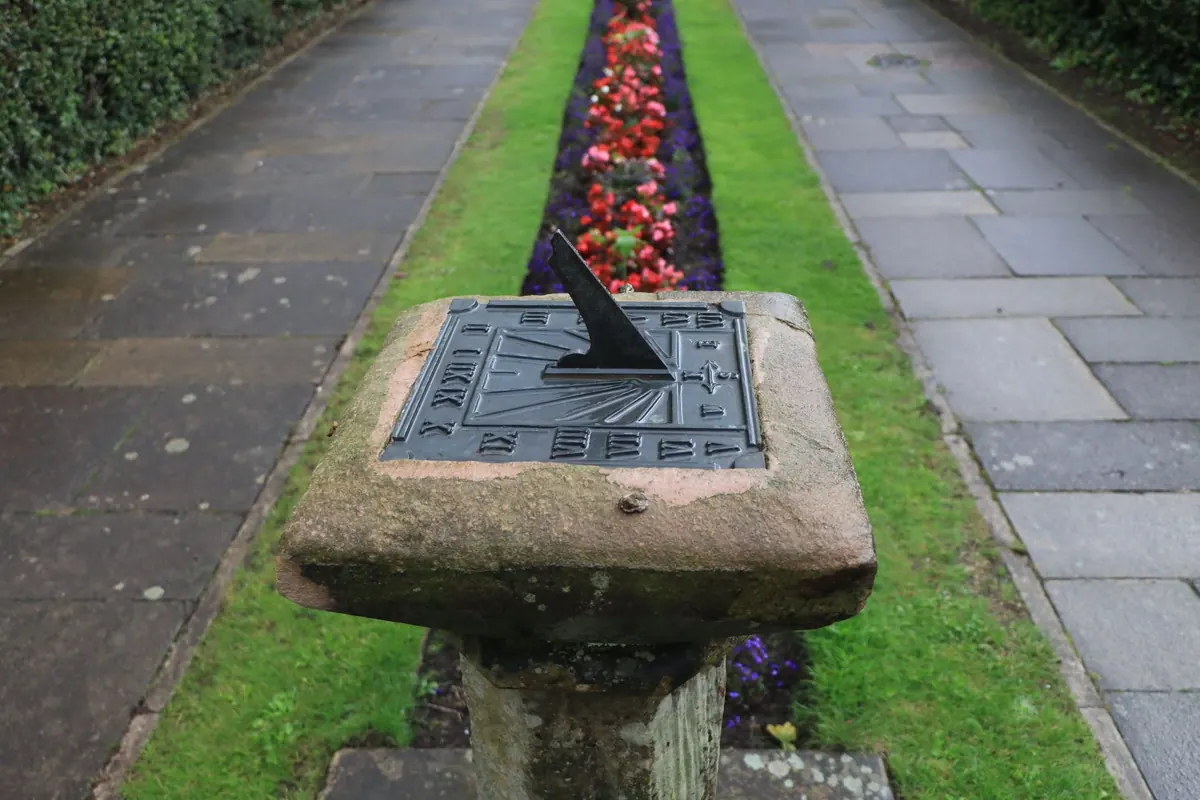
A sundial is a quiet piece of outdoor art, but it is also a measuring instrument. The difference between a charming ornament and a dial that keeps decent solar time usually comes down to siting. Most placement errors are visible before the first bolt is tightened, and nearly all can be corrected without replacing the dial. What follows are seven common mistakes, plus the practical checks that make them right.
Mistake 1: Letting Trees and Buildings Steal the Sun
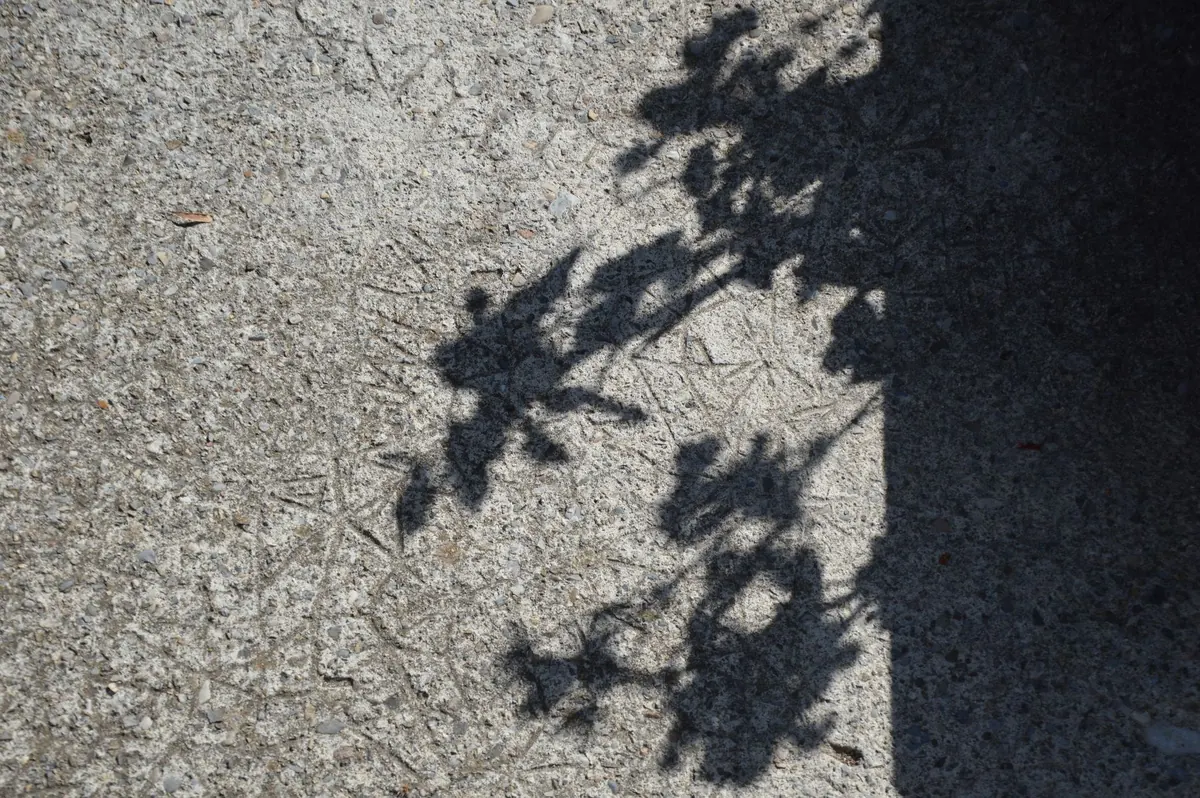
Shade is the most frequent reason a dial reads badly. A sundial placed under a deciduous tree may look fine in February and become useless in July, when leaves throw a moving pattern of shadow across the face. Moving shade is worse than solid shade: the gnomon’s edge needs a clean outline, and dappled light makes the time hard to read even when the dial is technically in sun.
Buildings, fences, hedges, and even a tall rose arch can clip the useful hours. In the Northern Hemisphere, a horizontal dial needs a clear southern sky; in the Southern Hemisphere, it needs a clear northern sky. Spend a day watching the intended spot at 9 a.m., noon, and 3 p.m. Repeat the check near midsummer and midwinter, when the sun’s path is most different. If a house shadow reaches the dial at noon in December, the dial will be decorative for part of the year. Move it a metre or two, lower the surrounding planting, or choose a wall-mounted dial that catches sun above the obstruction.
Mistake 2: Confusing Magnetic North with True North
A compass needle points to magnetic north, not true north. The gap between them—magnetic declination—varies by location and changes slowly over time. A dial set with a phone compass or a decorative base compass can be rotated enough to shift readings by many minutes, even if everything else is correct.
Set the dial by true north. A reliable local map or survey reference can give you the meridian; a simple solar check works too.
- On a clear day, place a vertical rod on level ground and mark the tip of its shadow around solar noon.
- Find the shortest shadow. That line runs along the true north–south meridian.
- Align the gnomon—the shadow-casting edge—parallel to that line. In the Northern Hemisphere it points true north; in the Southern Hemisphere, true south.
- Check again at solar noon a week later. Small adjustments are much easier before the pedestal is fixed.
Do not rotate the dial simply to make the shadow hit a favourite hour. That hides the error instead of fixing it.
Mistake 3: Choosing the Wrong Pedestal Height
A dial set at ankle height is hard to read, easy to trip over, and quickly hidden by grass or snow. One set too high forces people to crane their necks and makes cleaning awkward. Height is not an accuracy issue in the narrow sense, but it decides whether the dial is actually used and maintained.
Before building a pedestal, test the height with a sturdy crate or temporary stand. Set the dial face at a comfortable waist-to-chest height for most adults, and check the view from the path people will naturally take. If children will read it, crouch to their eye level. Make sure the pedestal does not cast its own shadow across the face, and leave enough clear space around the top for a hand and a soft cloth. If you raise the dial, widen the base rather than adding a thin, wobbly column.
Mistake 4: Ignoring Latitude and Dial Orientation
Not every sundial works everywhere. On a horizontal dial, the gnomon is angled to suit the site’s latitude. A dial made for 45° will not read correctly at 30° or 55°, however carefully it is levelled. Vertical dials add another variable: a dial designed for a south-facing wall is not interchangeable with one made for an east or west wall.
Check the maker’s stated latitude before installation. If the dial is mismatched, treat it as sculpture rather than a timekeeper, or ask a dial maker to recut or replace the gnomon. Also confirm that the dial face is level and that the gnomon follows the true north–south line. A beautiful dial can be perfectly made and still be in the wrong place.
Mistakes 5 and 6: An Unstable Base and an Awkward Reading Position
Two errors often arrive together: a wobbly footing and a spot nobody wants to stand in. Deck boards flex, fence posts vibrate, shallow footings heave with frost, and tree roots lift paving. A dial that shifts by a fraction of a degree may look fine but drift over the season. Use a stable footing—compacted gravel, a concrete pad, or a properly set stone base—with drainage so water does not collect. Check level in two directions, and inspect the base after the first winter.
The reading position matters too. A dial hidden behind a flowerbed, placed where a sprinkler sprays it, or set in the middle of a lawn that is never walked on will be admired once and ignored thereafter. Put it where people naturally pause. Keep a small clear apron around the pedestal, avoid glare from a shiny surface, and make sure the numerals can be read from the main approach. For a vertical dial, stand where a visitor would stand and check the angle before drilling.
Mistake 7: Neglecting Seasonal Obstructions and Surface Glare
Placement is not finished at installation. Vines grow, leaves collect, snow piles up, sprinklers overspray, and birds leave deposits. A dirty gnomon edge scatters light; a dusty face makes faint numerals fainter. Trim growth before it crosses the sun path, check the dial after storms, and clean it with a soft cloth and mild soap. Avoid abrasives on painted numerals, and do not oil the gnomon.
Glare is another seasonal problem. A mirror-polished surface can wash out the shadow line in strong sun, while a matte or patinated finish is usually easier to read. If the dial is hard to read only in certain months, note where the sun falls and whether a nearby window, white wall, or water surface is adding reflection. Sometimes a small change in planting or a shift of half a metre solves the problem.
A Site Check Before You Drill
Before fixing the pedestal, run a simple field test:
Photo: orko46 / Pixabay
You Might Also Like
At the winter solstice a sundial's shadow stretches two or three times the gnomon's height. Here is how to plan, expose, compose and protect camera and dial in the cold.
A hands-on family guide to the spring equinox: plant a stick, track its shadow, measure it at noon, and find true north with chalk and a child's height.